Many people who I see will ask me what are signs to look for when it comes to knee injuries in dogs. We will go over both signs you may see at home and then describe a common physical exam of a dog with an ACL rupture.
The most common sign an owner will notice is lameness (limping on a particular hind leg).this can vary from holding the leg up and not bearing weight to a mild shifting of weight off of the affected leg during weight bearing. Also, this can be a chronic lameness or an acute limping. It is widely accepted that ACL tears in the larger dog are typically chronic in nature versus traumatic as they occur in humans. This being said, about 30-50% of will rupture the opposite hind leg within their lifetime in comparison to <5% in humans.
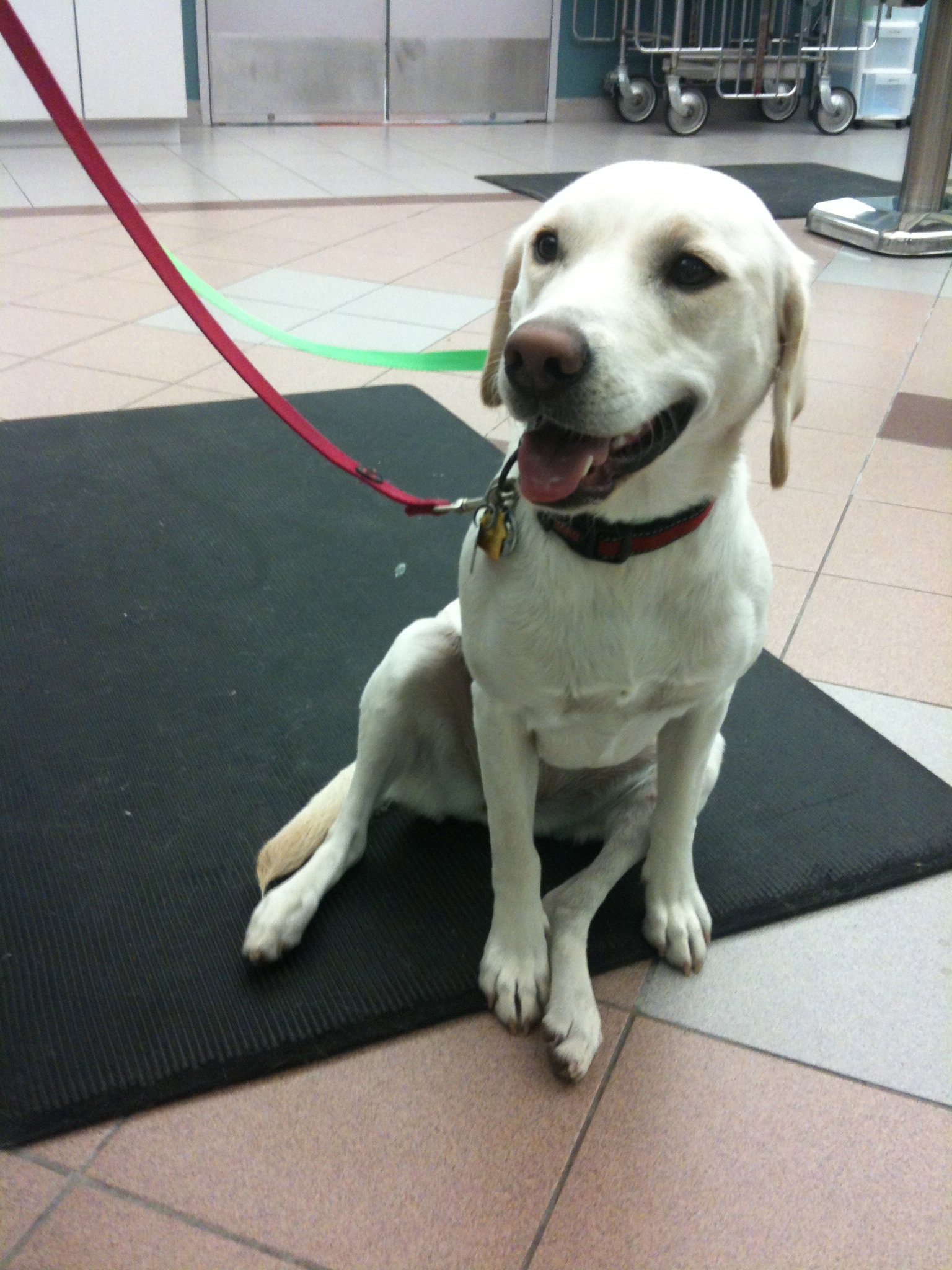
Typically the lameness that is noted is a waxing/waning lameness, meaning that there are periods of improvement and then regression. Other signs involve sitting with the limb out from the body and somewhat extended. Muscle atrophy will also occur in dogs with chronic lameness. This mass will return once the knee joint is stabilized.
When you visit a veterinarian, they will be looking at all of the above factors. The most convincing clinical signs are as follows: joint effusion (swelling), pain on hyper extension of the knee, and instability of the joint (termed cranial drawer and tibial thrust). The instability noted is very diagnostic when it comes to ACL tears.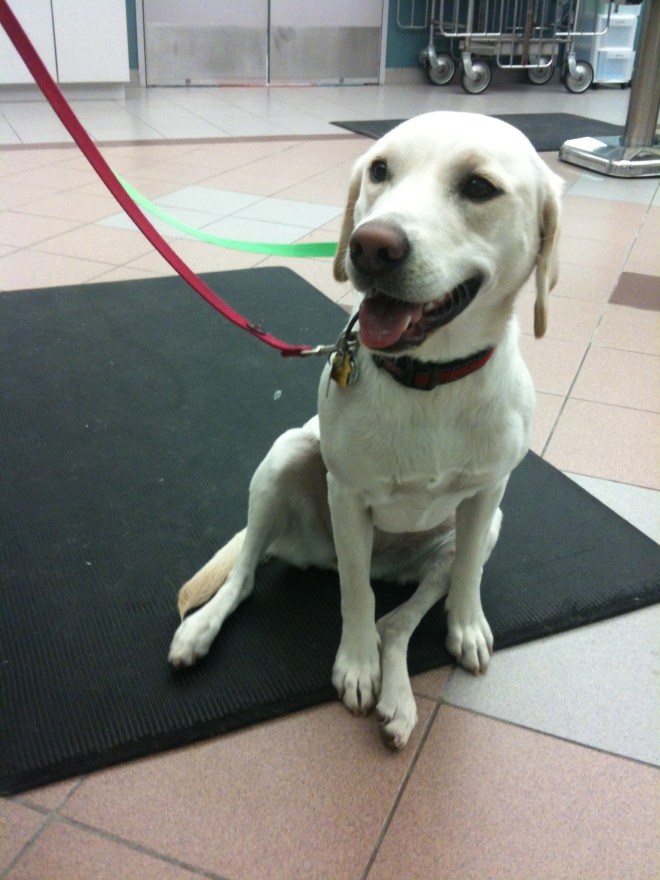
 A Veterinarian's Perspective