February 2014 Case of the Month – Meet Smokey!!!

Two week recheck

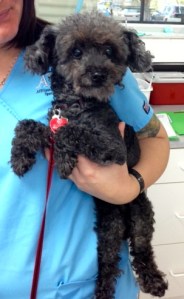
Smokey at his two week recheck!

Smokey was transferred to the surgery department from the overnight emergency service after being attacked by a larger dog the night before. His injuries were multiple and severe. He sustained multiple bite wounds over his thoracic and abdominal body cavities. Thoracic radiographs revealed multiple left sided rib fractures and multiple defects (tears) into the chest wall. The bite wounds over the abdomen were superficial with no evidence of penetration in the abdomen.
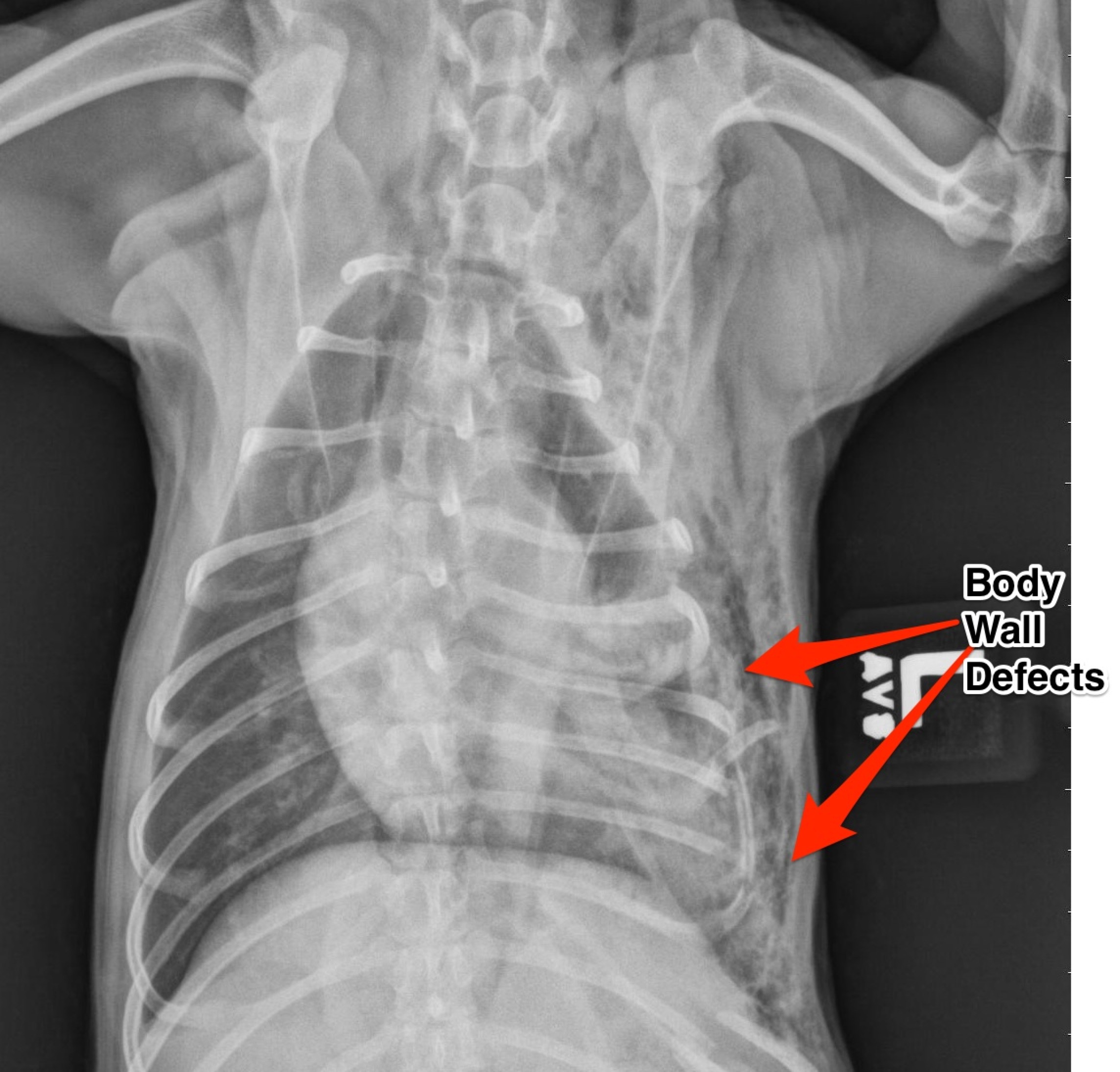
Note the multiple rib fractures and the multiple thoracic wall defects.

Note the multiple rib fractures and the multiple thoracic wall defects.

Smokey was stabilized by the emergency service and prepared for surgery once transferred in the morning. Based on the injuries, Smokey had a thoracic exploratory to evaluate the thoracic wall wounds and subsequent internal injuries. Surgery revealed a large thoracic wall defect and multiple fragmented ribs, some of which needed to be removed. Interestingly, the left caudal (posterior) lung lobe had a large laceration caused by one of the rib fragments, necessitating removal of the lung lobe. The remaining thoracic wall defect was too large to close primarily.
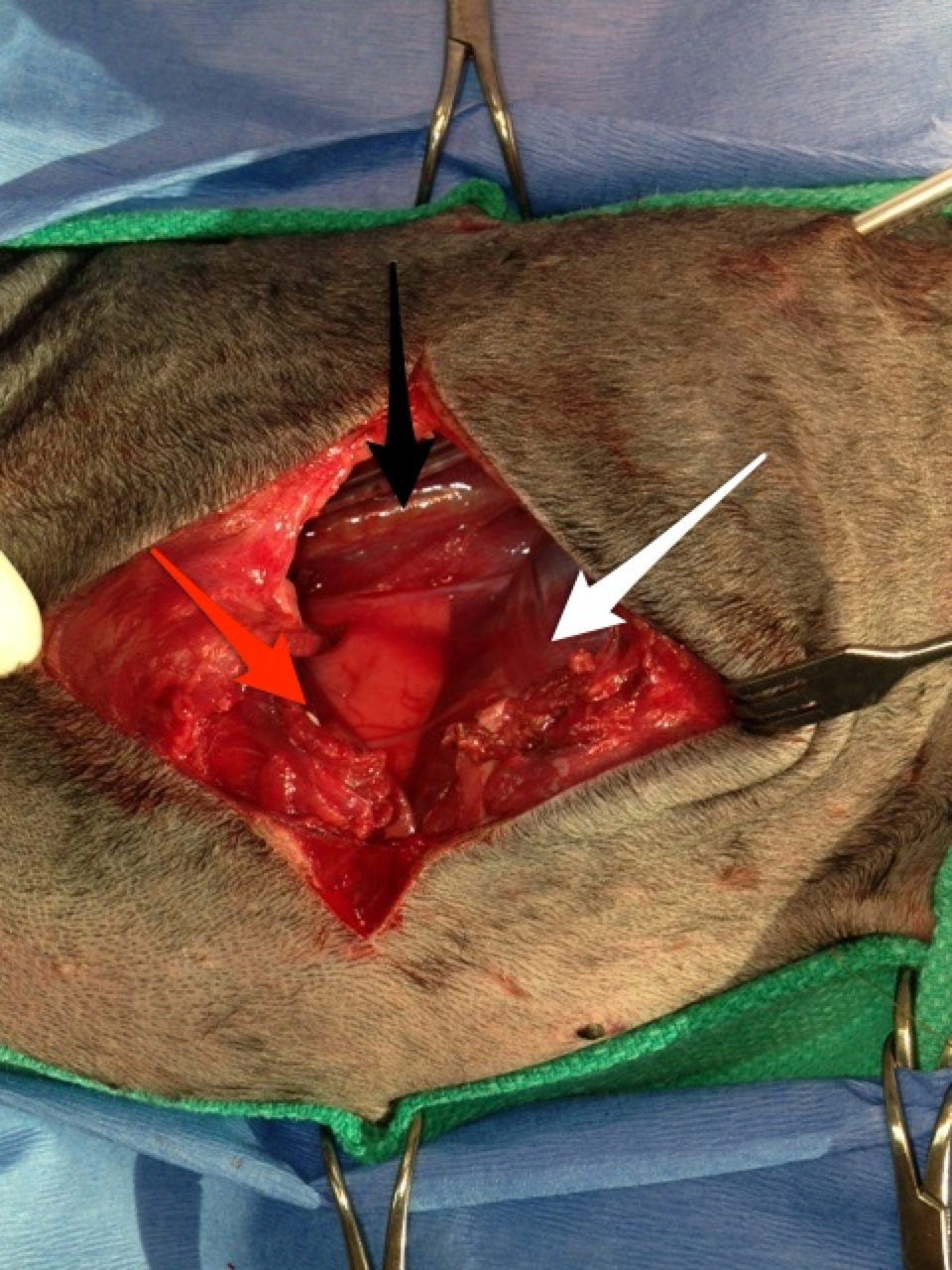
The white arrow denotes the diaphragm, the red arrow is showing the muscle of the thoracic wall and the caudal edge of the heart and the black arrow denotes the great vessels (caudal vena cava and caudal aorta).

The white arrow denotes the diaphragm, the red arrow is showing the muscle of the thoracic wall and the caudal edge of the heart and the black arrow denotes the great vessels (caudal vena cava and caudal aorta).

The thoracic wall defect was repaired using porcine small intestinal submucosa extracellular matrix sheets (Vetrix ECM). Note the placement of the ECM in the defect. The overlying muscle was freed and placed as a muscular flap over the ECM. Following the repair a thoracic tube was placed to maintain negative pressure in the chest following surgery. Smokey recovered well from surgery and was released 48 hours following surgery. Two weeks later at his suture removal and he is doing great!
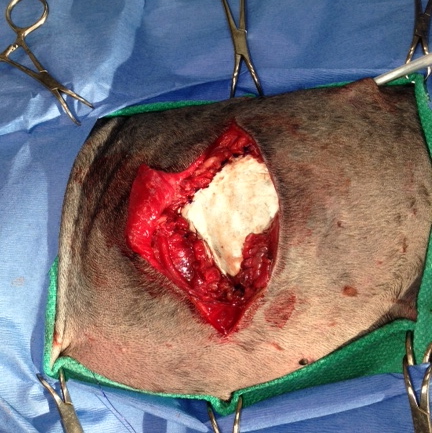
This is demonstrating the placement of the Vetrix ECM sheet for repair of the thoracic wall.

This is demonstrating the placement of the Vetrix ECM sheet for repair of the thoracic wall.

Brachycephalic Upper Airway Syndrome (BUAS) – physical exam

Most commonly the history of patients with BUAS are very similar. Generally, owners notice snoring and gradual progression of inspiratory stridor. Many times this will occur while the patient is a puppy and continue into adulthood. Other signs that are noted are increasing frequency of dyspnea especially during exercise or a hot environment. Another sign to look for in addition to the other is vomiting and/or regurgitation. This can be a compounding problem as it predisposes the pet to aspiration pneumonia.

On physical exam one of the first things that can be directly visualized is the nares being stenotic. The observant examiner will also note an increased upper respiratory noise with inspiratory stridor on auscultation(listening with a stethoscope. Typically the rest of the general physical examination is within normal limits.

Prior to performing a sedated oral exam various differentials should be on the list and should include neoplasia (oral/pharyngeal masses/cancer), tracheal collapse, laryngeal paralysis, lower airway disease and cardiac(heart)disease. Both lower airway diseases and cardiac disease can greatly exacerbate upper airway signs and if the patient is stable, these should be addressed first or at least concurrently.

Our next segment will be an overview of the surgical treatment and then we can wrap up this topic.

Happy Holidays

I want to take a moment to thank everyone for their continued interest and support of this blog. Your continued support has meant a lot to me and allowed me to continue to post various topics. I want to wish everyone Happy Holidays during this joyous time of the year! I wish you all the best in the New Year too! Keep your pets safe throughout this time, but definitely spoil them (we want them to ring in the New Years without any ailments)! Please continue to follow this blog!

Seasons Greetings!!

Kevin