Primary Lung Neoplasia (tumor)

Primary Lung Neoplasia (tumor)

Primary lung tumors are cancers that we as veterinarians see with less frequency than in human medicine, when we are both looking for them and when we are not looking for them. What I mean by that statement is sometimes the patient (dog or cat) may be displaying signs associated with a tumor in the lungs and sometimes they are not and we find them during routine chest radiographs (x-rays). While lung cancer generally conjures up a visceral negative reaction in most people, many primary lung tumors can be managed successfully giving the patient a good quality of life for some time. We do find that dogs tend to have a better prognosis with primary lung tumors than do cats, unfortunately. What do I mean by primary lung tumor? A primary lung tumor is a tumor originating within the lung tissue that is the sole tumor versus metastatic nodules within the lungs, which are smaller tumors scattered in the lung due to a tumor originating from another organ.

What are signs of a lung tumor?

Unfortunately, many primary lung tumors do not have associated signs and we find them by chance if we are looking in the chest. The good and bad is that we would always prefer to provide treatment (surgery) in a patient that does not have signs, however the bad part is that these tumors can get very large before seeing signs. The most common signs seen are respiratory symptoms including coughing, exercise intolerance, excessive panting for a variable duration of time and variable frequency. Very rarely will a patient present with blood, fluid, or air in their chest due to the tumor. More infrequent would be presenting with a condition called hypertrophic osteopathy – swelling and pain in limb(s) related to a lung tumor.

How do we diagnose a lung tumor?
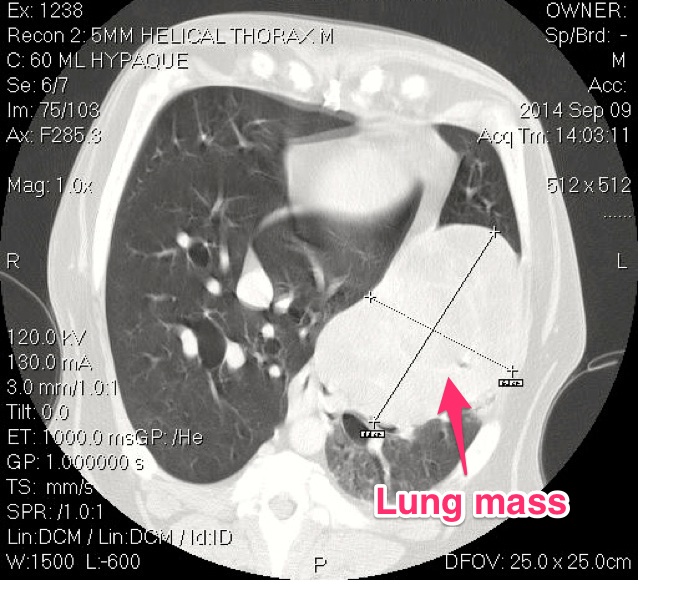
CT scan of the chest showing the lung tumor (see arrow)

CT scan of the chest showing the lung tumor (see arrow)

The typical way to diagnose a primary lung tumor is with radiographs (x-rays) of the chest. If a large solitary mass is seen, it is suspected to be a primary lung tumor. Another was to visualize a primary lung tumor would be to perform a CT (computed tomography) scan of the chest. A CT scan gives us excellent detail of the mass and allows a very in depth view of the rest of the lung tissue for evaluation. Some advocate for a fine needle aspirate of the mass (sticking an needle in the mass to get a representative sample of cells) prior to discussing surgery. Typically a solitary lung mass will be a pulmonary adenocarcinoma and a fine needle aspirate will only yield a diagnostic result only 60-70% of the time. Many believe (myself included) that surgery is the next step for a diagnosis. Prior to surgery a minimum staging database should be acquired. This includes (in addition to chest x-rays and/or chest CT scan) complete bloodworm with urinalysis and an abdominal ultrasound (or contrast CT scan). This is to evaluate body organ function and the presence of metastasis or other non-related issues, since most patients with a primary lung tumor fall into the geriatric age category, it is not uncommon to uncover other issues.

What is the treatment for a primary lung tumor?
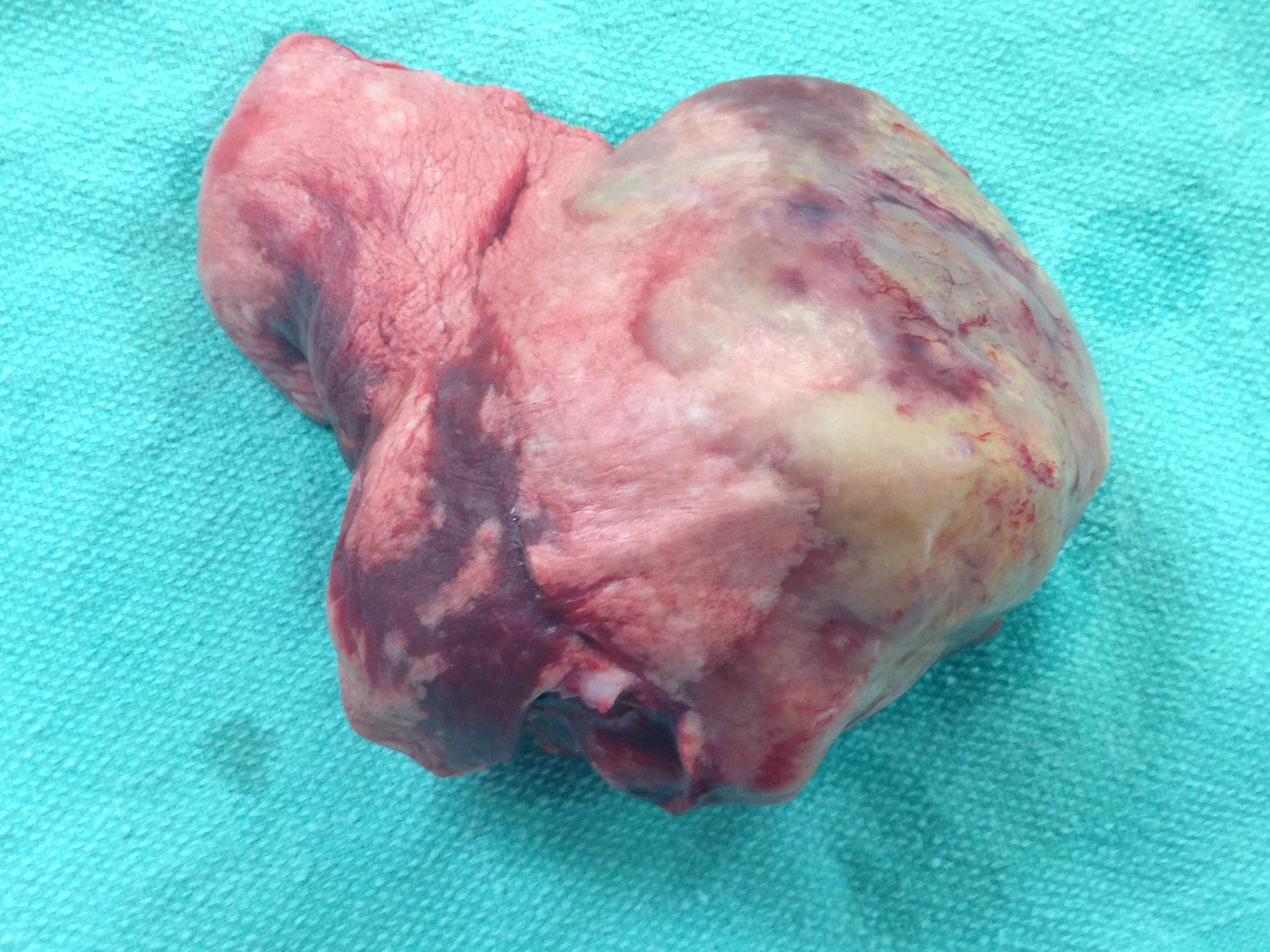
Excised lung tumor

Excised lung tumor

The standard treatment for a primary lung tumor is surgical removal. At this juncture (or earlier) your primary veterinarian may recommend that you consult with a board certified veterinary surgeon due to the intricacy of the procedure and the “around the clock” care your family member will require following surgery (if your veterinarian does not offer this service). Generally, surgical removal of the tumor is the standard of care for treatment of this disease. Smaller tumors can sometimes be removed by thoracoscopy (minimally invasive scoping of the chest), however a very experienced anesthesia team is need to provide one lung lobe ventilation to the pet. Usually the tumor is accessed by a lateral thoracotomy depending on the which side of the chest the tumor is located. The tumor is isolated and the affected lung lobe is removed (various techniques can be used). I prefer removal with a Thoracoabdominal (TA) stapling device. In all surgeries, a chest tube is placed for 12-24 hours following surgery.

What type of cancer is a primary lung tumor?

The most common tumor type is a pulmonary adenocarcinoma in both the dog and cat. When a histopathology report is generated, we usually look to see whether the tumor is well-differentiated or poorly differentiated, which can give us some indication regarding the metastatic nature of the tumor. Other types of tumors such as squamous cell carcinomas, sarcomas and benign tumors are very rare.

What is the prognosis for a primary lung tumor? 

The information on cats and prognosis after removal of a primary lung adenocarcinoma is limited, however the results seem to be not as favorable for this species. Also, the survival rate is very dependent on whether there is any sign of metastasis (lymph node involvement, nodules elsewhere, malignant effusion (fluid) in the chest and/or abdomen). In some reports, cats with signs of metastasis following surgical removal have a survival rate of < 3weeks.

Dogs with this disease tend to have a much more favorable prognosis with >50% of dogs with a solitary lung tumor (no metastasis) living > 1 year following surgery with good quality of life. Factors that can change our prognosis include large size of tumor, lymphatic involvement, pleural effusion, etc.

I always encourage my clients to speak with a board certified veterinary oncologist about follow-up care for these patients. More and more we are finding that we may be able to extend our pets quality of life with various chemotherapy options by slowing the recurrence or spread of disease following surgery.

Authored by:

Kevin Benjamino, DVM, DACVS

Copyright 2015

Osteochondritis Dissecans (OCD) – Shoulder

Sometimes it can be very hard to determine which leg your pet (or patient) is limping on, let alone which joint is causing the problem. I want to take a little time to discuss a problem that we see from time to time that typically affects the juvenile (6-18 month), medium and large breed dog and is typically thought of as a congenital/hereditary issue. The most note worthy joints affected are the shoulder (proximal humerus), the elbow (distal humerus), stifle (distal femur), and hock (talus).

The underlying etiology is similar in all the joints, however this article will focus on the shoulder with subsequent articles dealing with the other joints. I think this approach is reasonable because the treatment may be different for other joints,as well as, the prognosis can vary. Again, this disease affects primarily young dogs; in the older patients we usually see the consequence of this issue, resulting in osteoarthritis of the joint.

Osteochondrosis (OC) precedes osteochondritis dissecans (OCD) and is characterized by a problem between the metaphyseal growth plates of the affected bone and the cartilage. In essence, the cartilage surface does not adhere to the underlying subchondral bone surface. When a cleft or break develops in this “soft” cartilage, this fulfills the term OCD. Once the area progresses to an OCD lesion (a break in the cartilage develops), then the patient becomes clinically lame and will exhibit a degree of lameness/limping. Once a flap/break develops there is no known healing that occurs and the abnormal area will continue to incite inflammation within the joint.

There are multiple suspected causes of this issue in the dog, with the most reasonable explanation being that of a congenital/hereditary cause. There is some support of other predisposing factors that may enhance the genetic expression of this disease such as juvenile obesity and imbalances in calcium intake.

Patients with this type of condition will usually be within 6-18 months of age and have a varying level of lameness on one or both front legs. An owner may also see more limping/lameness after strenuous activity or rising from rest.

Physical examination of the suspected patient usually will direct us in the right direction. A thorough gait evaluation is needed to identify which leg or if both front legs are affected. There are certain techniques that can be used to detect which leg is the culprit even with a mild lameness. If your dog is “off and on” lame, it is always helpful to the veterinarian for the owner to bring in video of the patient when he is limping, to help improve our chances of diagnosing your pet correctly. The next step in the evaluation is direct palpation of the leg starting from the digits, working up to the neck. It is very important that care is taken at each joint and long bone on evaluation, since shoulder OCD is not the only cause for limping in the young dog. Typically, discomfort will be elicited on manipulation of the affected shoulder(s) and especially on hyperflexion and hyperextension of the joint. The next step is diagnostic tests.

Radiographs (X-rays)

Shoulder_OCD0001 Shoulder_OCD0002

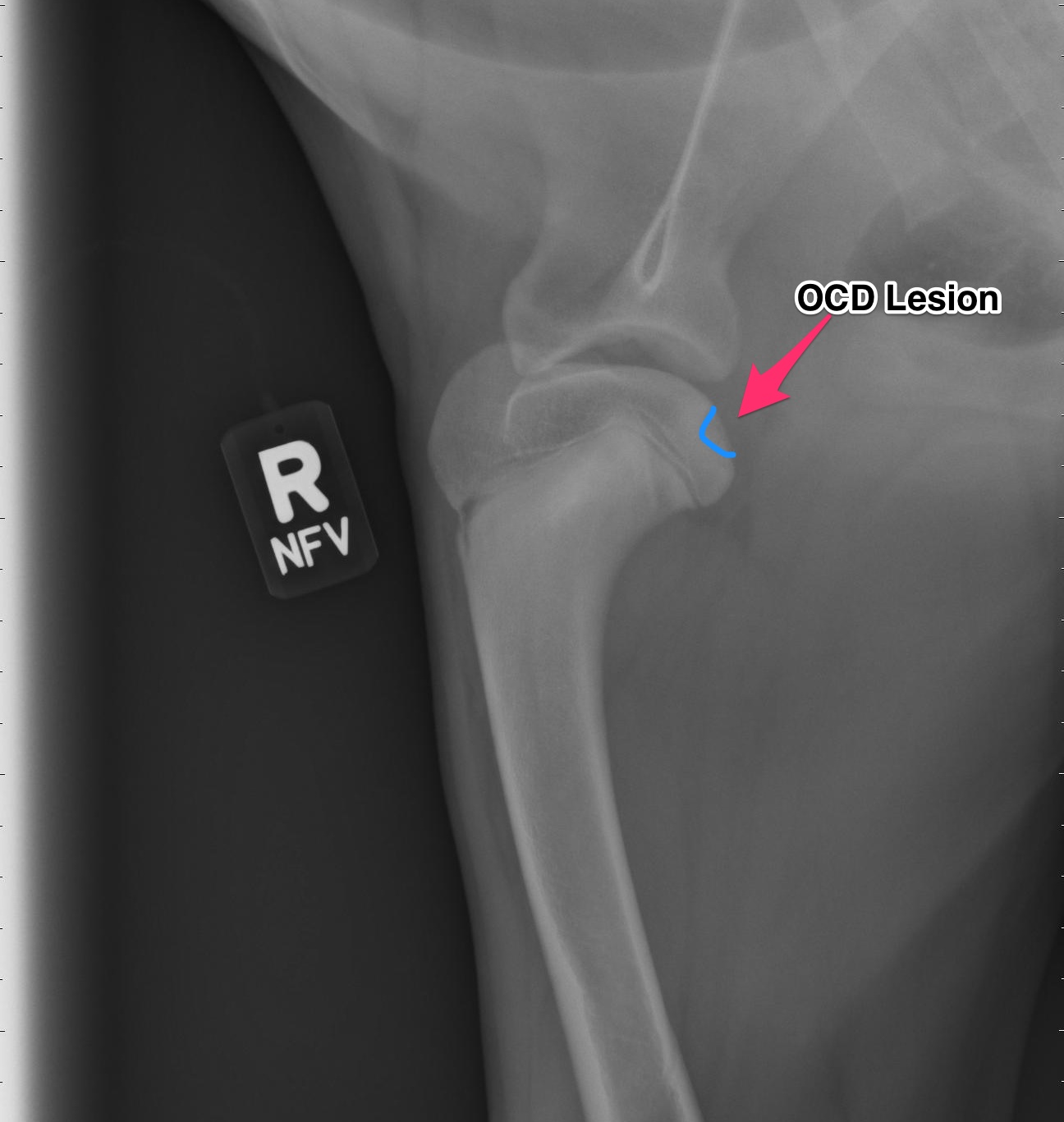
Above are x-rays of a left and right shoulder affected with OCD lesions. These are on the same patient. The images labeled with the left (L) marker has a flattened region noted by the arrow which is characteristic of OCD. The image on the right has the area highlighted in blue. While the lesion doesn’t look big, it can definitely cause a lot of pain and discomfort.

Another way to diagnostically evaluate the joint is with a computed tomography (CT) scan. This will give more detail into the region of interest. Generally this is not needed, however indications for it may be to evaluate the elbows as well.

Treatment:

For the best possible outcome do not delay treatment! At this time, the gold standard approach is arthroscopic debridement (removal) of the fragmented cartilage and the surrounding diseased cartilage and subchondral bone. Curettage may allow the now vacant cartilage bed to fill in more quickly with what is called fibrocartilage. I likened the removal of the fragment to old wallpaper removal (very much oversimplified). Once the old wallpaper bubbles and tears, you need to remove all the damaged wallpaper in the periphery or else the wallpaper will continue to peel.

If the cartilage is an osteochondrosis (OC) lesion and has not fragmented (OCD) non-surgical treatments (activity restriction, dietary restriction, etc) may be attempted and successful. Unfortunately, if OCD has not occurred then the patient will not be limping and most of these dogs go undiagnosed. It is my belief that any dog exhibiting pain/lameness with the presence of a radiographic (x-ray) OCD lesion ,should have surgery. Surgery will benefit them both in the short term and the long term.

There are older techniques of opening the joint to get access to the cartilage flap, however the recovery time on this type of procedure is significantly longer than with arthroscopy. Also, potential complications are increased with an “open” technique than with arthroscopic techniques. Arthroscopy is a minimally invasive tool that allows us to both diagnose and treat this condition. Generally speaking the patient can walk on the surgery leg (even if both legs have surgery at the same time!) following an arthroscopic procedure. Generally 2-3 small ports are placed over the shoulder (2-4mm in length) and this allows us access to the joint and work within the joint.

Recovery and Rehabilitation: 

Recovery for the arthroscopic procedure is generally 4-6 weeks. Every surgeon has a different protocol for after surgery and I am very respectful of that. I prefer controlled movement for my patients. In the first two weeks, passive range of motion is very important, followed by active icing of the joint(s). Short leash based walks are started shortly after surgery and incrementally increased as we proceed through the recovery phase. Introduction into a formal rehabilitation program is recommended, however there are times when this is not possible and rehabilitation must be performed at home. Below is a patient that had a single shoulder arthroscopy, you can see how well they can walk following surgery (this is the following day)!

Prognosis:

When diagnosed and treated early, the dog affected with OCD can have a good prognosis and resume a normal or near normal activity level and quality of life. The longer the lesion is present, the more inflammation and arthritis will develop decreasing our success with surgery. Of the OCD lesions (shoulder, versus the other sites affected) this region has the best prognosis. I do encourage all my patients to continue on joint supplementation for life and to be removed from any breeding program.


September 2014 Case of the Month – Meet Tido!!!

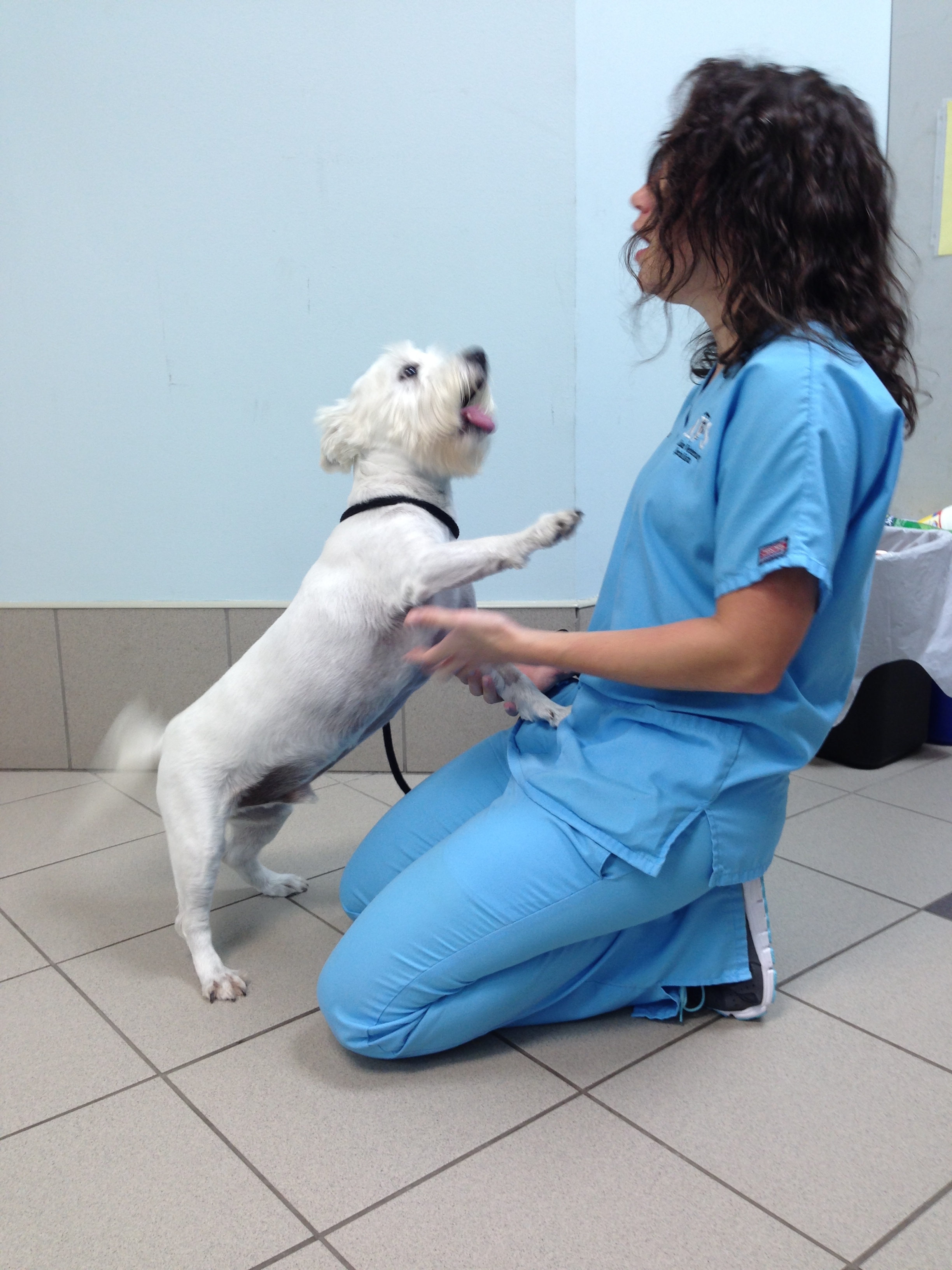
Tido two weeks after surgery!!! You can't keep him down!!!

Tido two weeks after surgery!!! You can’t keep him down!!!

Meet Tido!!! Tido is a 6 1/2 year old West Highland White Terrier that came to us (Affiliated Veterinary Specialists – Orange Park) for a lower esophageal foreign body. He started showing signs of intermittent vomiting and regurgitation after swallowing his rawhide bone. Unfortunately, it became lodged in the portion of the esophagus that goes through his chest, just past his heart. Usually we can use a scope camera and remove the object without any incisions. The piece of rawhide was wedged in this area and was unable to be moved, so surgery was his only option.

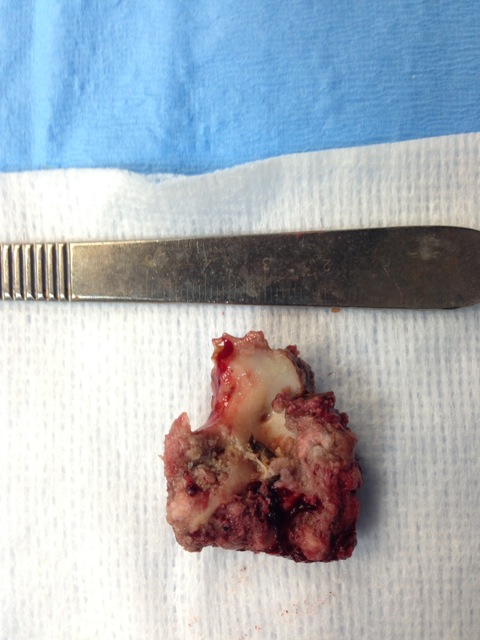
This was the piece of rawhide that was lodged in Tido's esophagus. It was nearly 5cm in length!!

This was the piece of rawhide that was lodged in Tido’s esophagus. It was nearly 4cm in length!!

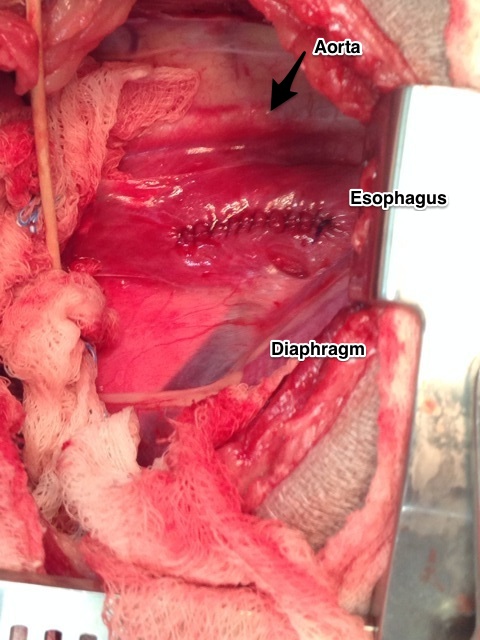
An incision was made in the chest and the large piece of rawhide was found in the esophagus just past the heart. An incision was made into the esophagus and the rawhide was removed. Surgery on the esophagus is a very delicate surgery. In this area we have big vessels (aorta) above the esophagus and the vena cava below. Just in front of the esophagus is the heart. Nearby, there are very important nerves (vagus) that course over the esophagus. Also, the esophagus has a harder time healing versus other areas of the gastrointestinal tract with a higher chance of stricture (narrowing due to scar tissue) formation.

View of the esophagus just past the heart.

View of the esophagus just past the heart.

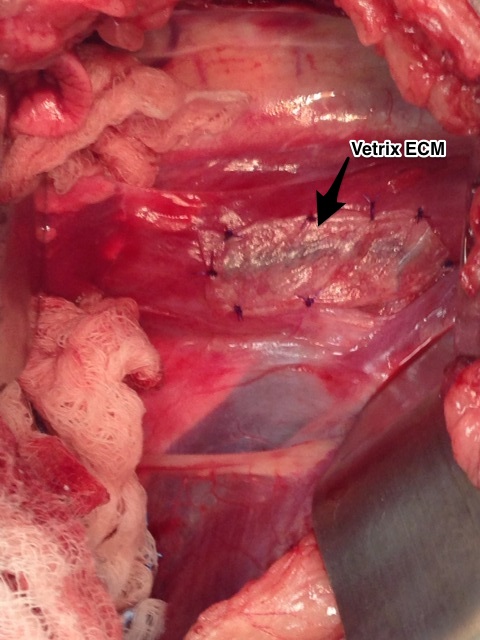
After the rawhide was removed, the esophagus was closed in two layers and then a Vetrix Extracellular Matrix (ECM) sheet was placed. This will aid in healing by providing a scaffold for the tissue to heal and incorporate the bodies own stem cells to infiltrate the area. After the esophagus was closed, Tido’s chest was closed in a standard fashion.

Vetrix Extracellular Matrix placement over the esophageal incision.

Vetrix Extracellular Matrix placement over the esophageal incision.

Tido made an excellent recovery!!! He has been on a soft diet and no rawhides for him!!! In four weeks he should be able to resume his normal activity. At his two week recheck, you could never tell he had surgery. Way to go Tido!!!

Frankie’s Journey: Part 2

Frankie relaxing before surgery.

After the diagnostics were performed (reviewed in the previous segment), a decision needed to be made as to which issue was to be addressed first. This is often a tough decision and must be made with the experience of your trusted veterinarian. My criteria consisted of which leg was most affected and the fact that I had already decided to address his hips with a total hip replacement. In my opinion (and supported clinically), a total hip replacement was a better option than other procedures available for canine hip dysplasia. Certain growth plates (centers of bone growth) need to be closed prior to performing a total hip replacement making the minimum age being around 10 months of age. This made our decision easier and the decision to address the elbows was made.

Surgery for his elbows was staged; the left elbow surgery performed on December 6, 2013 and the right elbow addressed on February 14, 2014 (Happy Valentine’s Day!). The time period in between was used for physical therapy and maximizing the results of the surgeries. Identical surgeries were performed on both elbows due to the similarity of the disease process occurring. An elbow arthroscopy was performed, which revealed the cartilage flap (osteochondritis dissecans (OCD)) and a fragmented coronoid process (FCP) The OCD flap was removed and the FCP segment was removed. The damaged bone under the OCD flap was removed with a shaver until healthy bone was present. Since the diseased area of the elbow was on the inside (medial) aspect a specialized procedure to displace weight to the central and outside (lateral) aspects was performed. This procedure is called a sliding humeral osteotomy (SHO). This procedure is fairly aggressive and involves a bone cut in the middle of the humerus bone and a plate/screws placed.

Below are images of the elbow arthroscopy showing both the OCD lesion and the FCP segment.


Noted the line in the cartilage outline a fragmented coronoid Process (FCP).

Noted the line in the cartilage outline a fragmented coronoid Process (FCP).

Note the underlying bone (pink). This is usually covered by cartilage, however the cartilage has become a flap.

Note the underlying bone (pink). This is usually covered by cartilage, however the cartilage has become a flap.


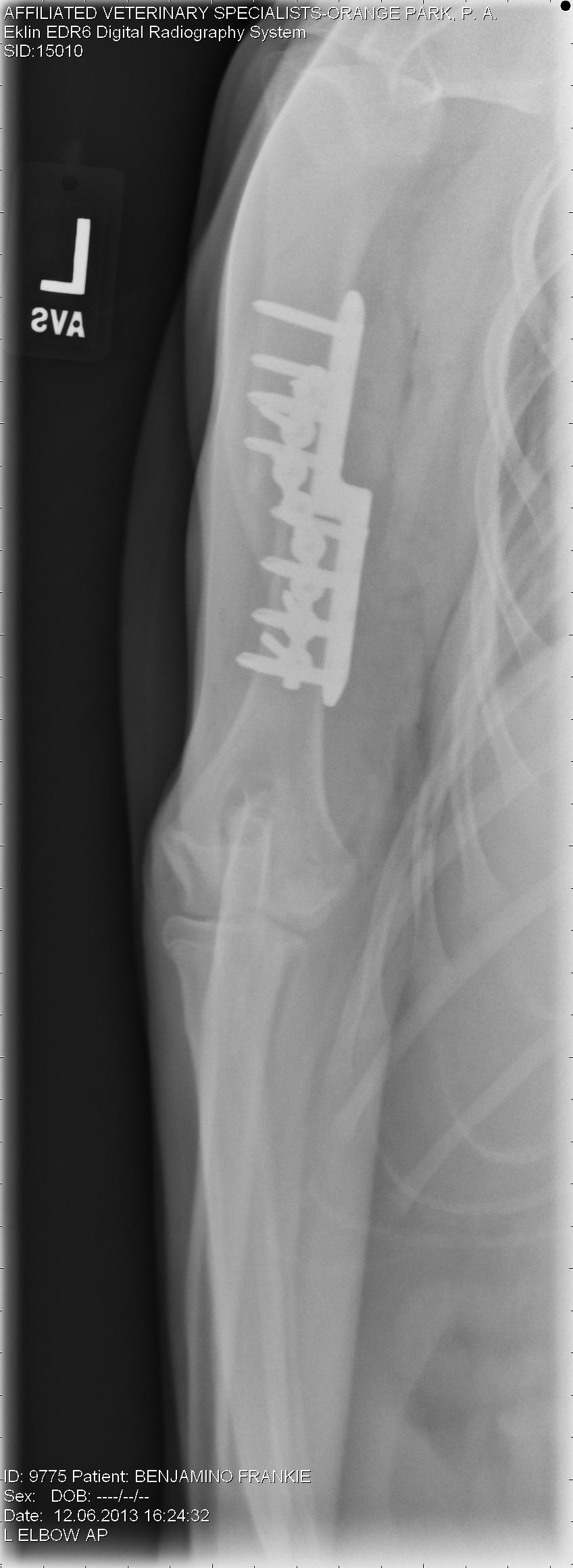
Following the elbow arthroscopy, the SHO procedure was performed. Below is a radiograph of the procedure.

Note the cut in the middle of the humerus and the shifting of the bone.

Note the cut in the middle of the humerus and the shifting of the bone.

Frankie’s Journey: Part 1

Frankie and Vinnie relaxing.

Frankie and Vinnie relaxing.

Here are some of the diagnostics  that were performed on Frankie. As mentioned before, during his first visit a thorough examination was performed, which revealed congenital issues on all limbs. Also, when he presented he was overweight (for a 6 month old puppy). We do know that too rapid growth and obesity at a young age can preferentially express the genes responsible for these issues and exacerbate signs.

Here are his physical exam findings: lameness noted in all limb, more pronounced on his left side. Pain on hyperextension and hyperflexion of both elbows and pain on palpation of the medial (inside) compartment of both elbows. Pain on hyperextension and hyperflexion of both hips. Positive Ortolani tests on both hips – this is were the femoral head portion of the hip can be pushed out of the acetabulum (socket) and then falls back in; I have downloaded a video displaying this on Frankie.

Our first steps in diagnosis was to perform radiographs (x-rays) and a CT scan of the elbows. The x-rays confirmed both elbow dysplasia and hip dysplasia. Interestingly, Frankie had bilateral Osteochondritis Dissecans lesions, which isn’t commonly seen, but can be a part of elbow dysplasia.

The CT scan demonstrates the same lesions as the x-rays, but gives a different view. A CT scan is a very sensitive diagnostic test for elbow pathology, especially in cases that have not developed normal x-rays changes yet.

Left Elbow: Osteochondritis Dissecans (OCD).

Left Elbow: Osteochondritis Dissecans (OCD).

Lateral view of the left elbow: elbow dysplasia

Bilateral Hip Dysplasia

OCD lesion seen on the humerus.

Fragmented medial coronoid process.

Fragmented medial coronoid process (FCP).

October 2013 Case of the Month

October Case of the Month

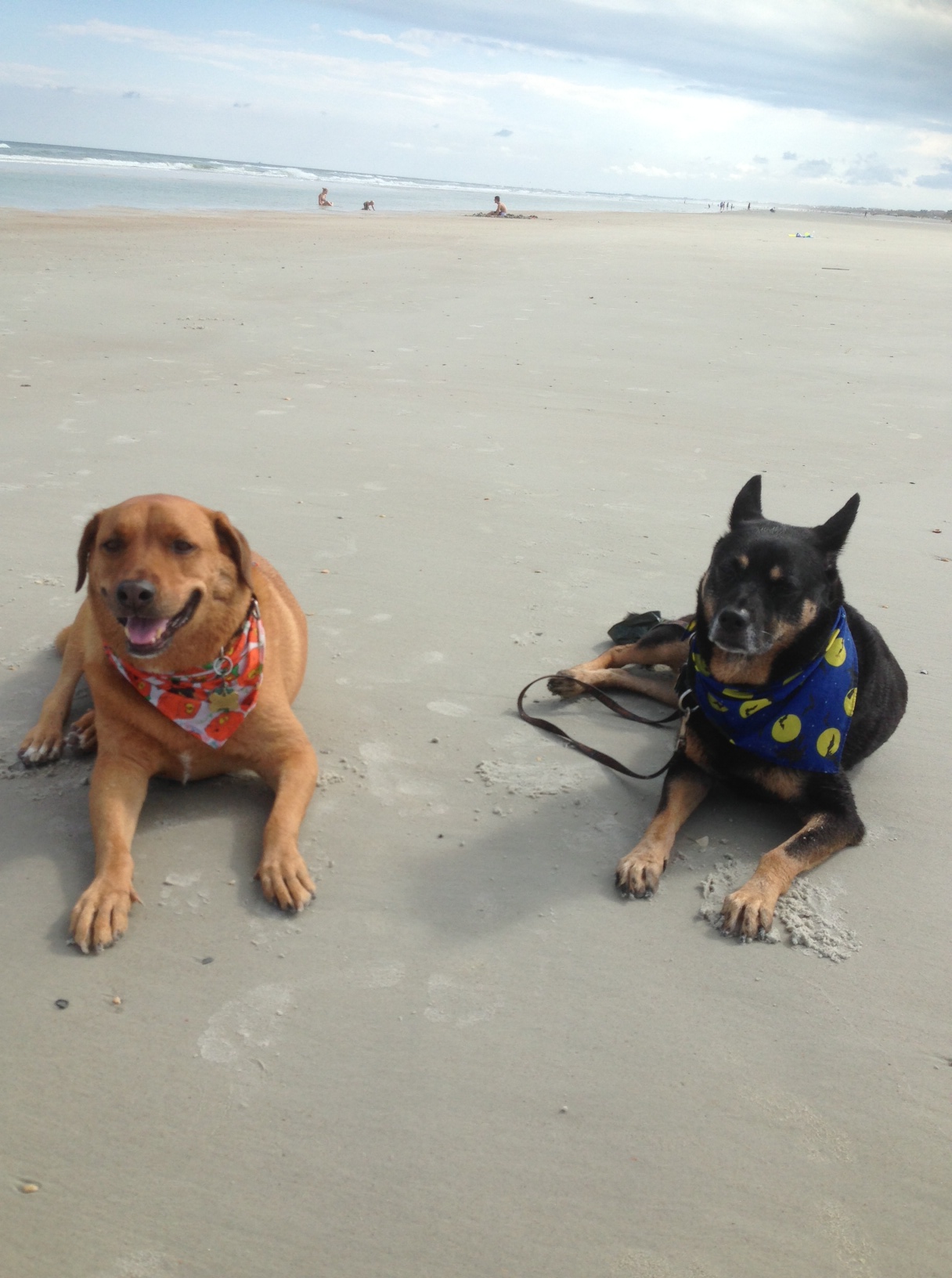
Scooter (left) enjoying the beach!!

Scooter (left) enjoying the beach!!

For October’s Case of the Month, I have selected a relatively common problem that we see in veterinary medicine – cranial cruciate ligament ruptures. Cranial cruciate ligament (CrCL) ruptures (more commonly referred to as an ACL tear after the human literature) are commonly seen in the practice of veterinary surgery, in fact they are our most common orthopedic case that we see. This disorder affects both the large and small dog, from the Great Dane to the Chihuahua and can affect dogs of any age most commonly the middle age dog. If you would like further details about this specific disorder, please see the previous posts regarding cranial cruciate ligament ruptures (click on the orthopedics tab in the menu bar).

Scooter is a  5  yr old Labrador Retriever that presented for lameness in both hind limbs. His history was such that he was lame in the left hind limb about a year ago and had a previous surgical procedure to address the CrCL performed, to which he responded well early on but became increasingly lame again in the leg and then developed a right hind limb lameness in addition. The procedure previously performed on the left stifle (knee) was not documented and no radiographic implants were used in or around the stifle. Also, Scooter has a chronic history of hip dysplasia and osteoarthritis in both hips to compound his issues.

Physical Exam:

Scooter could walk with assistance, however really struggled in both hind limbs to ambulate. Also, you could see Scooter shifting his weight to his front legs, which is a very classic feature for dogs with CrCL ruptures that affects both stifles. Our physical exam revealed that both (left and right) CrCL were ruptured and we highly suspected bilateral meniscal injuries/tears. While some discomfort could be elicited from manipulation of his hips, the majority of his discomfort and inability to walk was from his CrCL ruptures and meniscal tears.

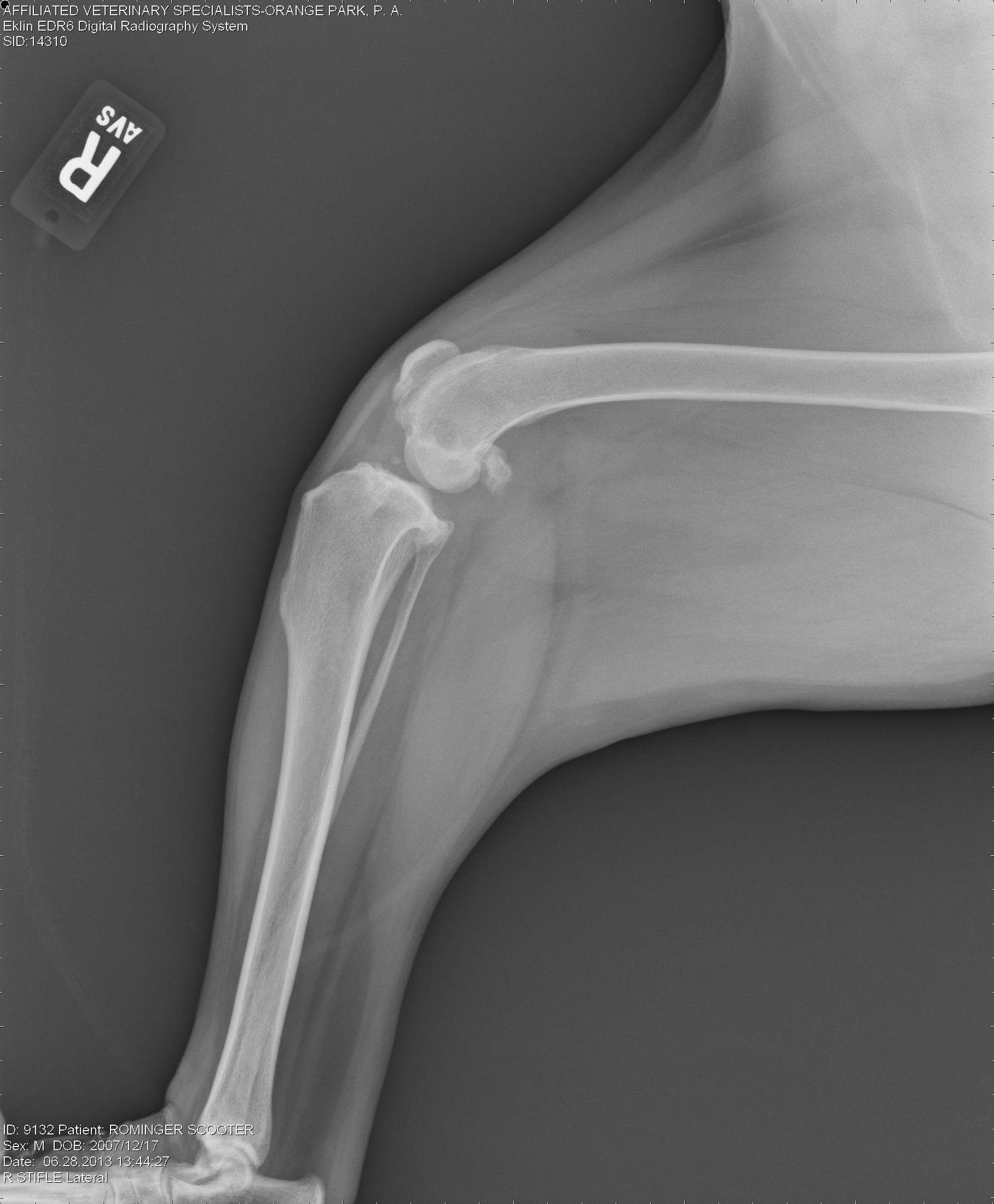
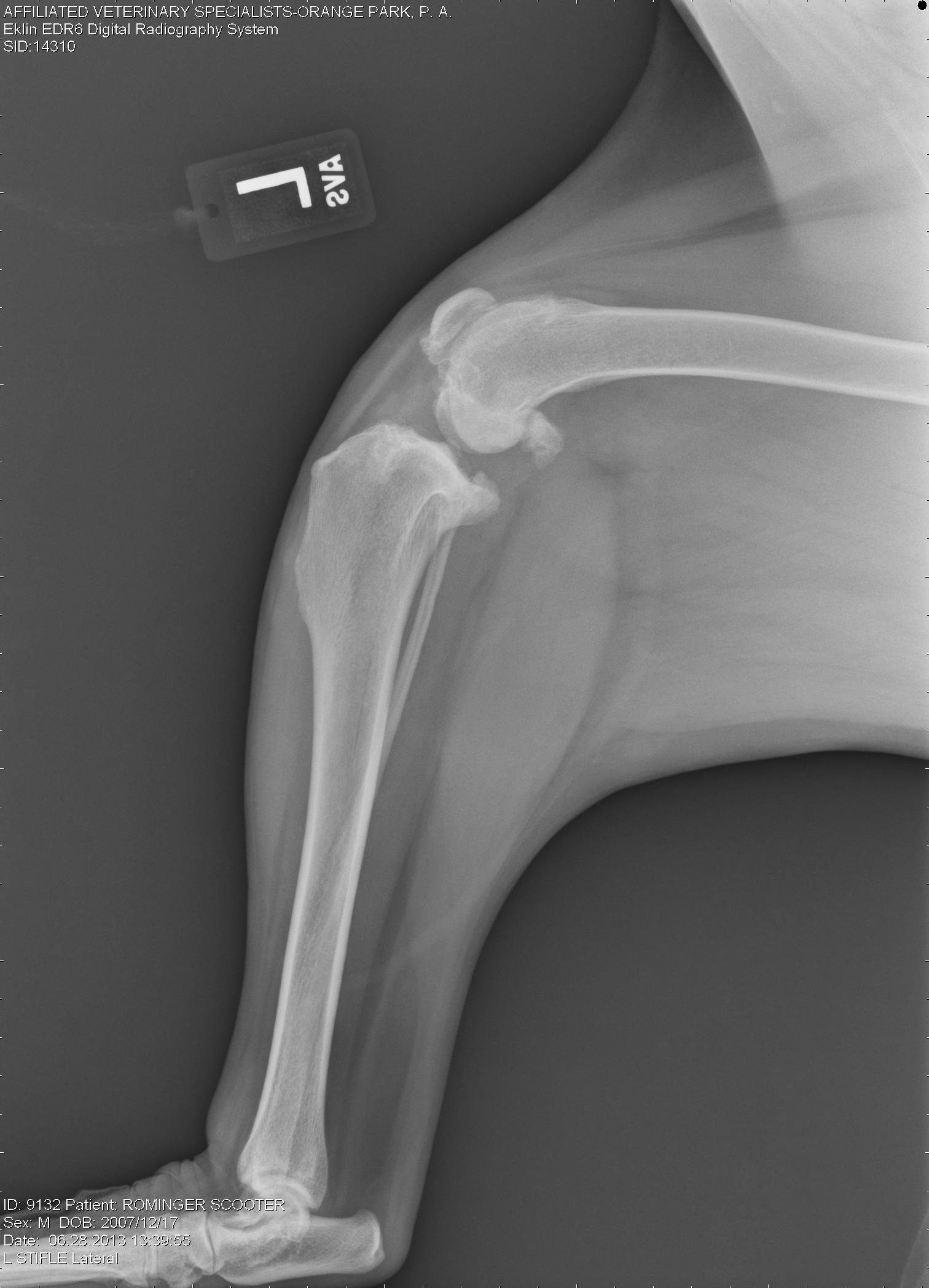
Right knee - note the joint swelling, arthritic changes, and forward movement of the tibia in relation to the femur.

Right knee – note the joint swelling, arthritic changes, and forward movement of the tibia in relation to the femur.

Left knee - note the joint swelling, arthritic changes, and forward movement of the tibia in relation to the femur.

Left knee – note the joint swelling, arthritic changes, and forward movement of the tibia in relation to the femur.

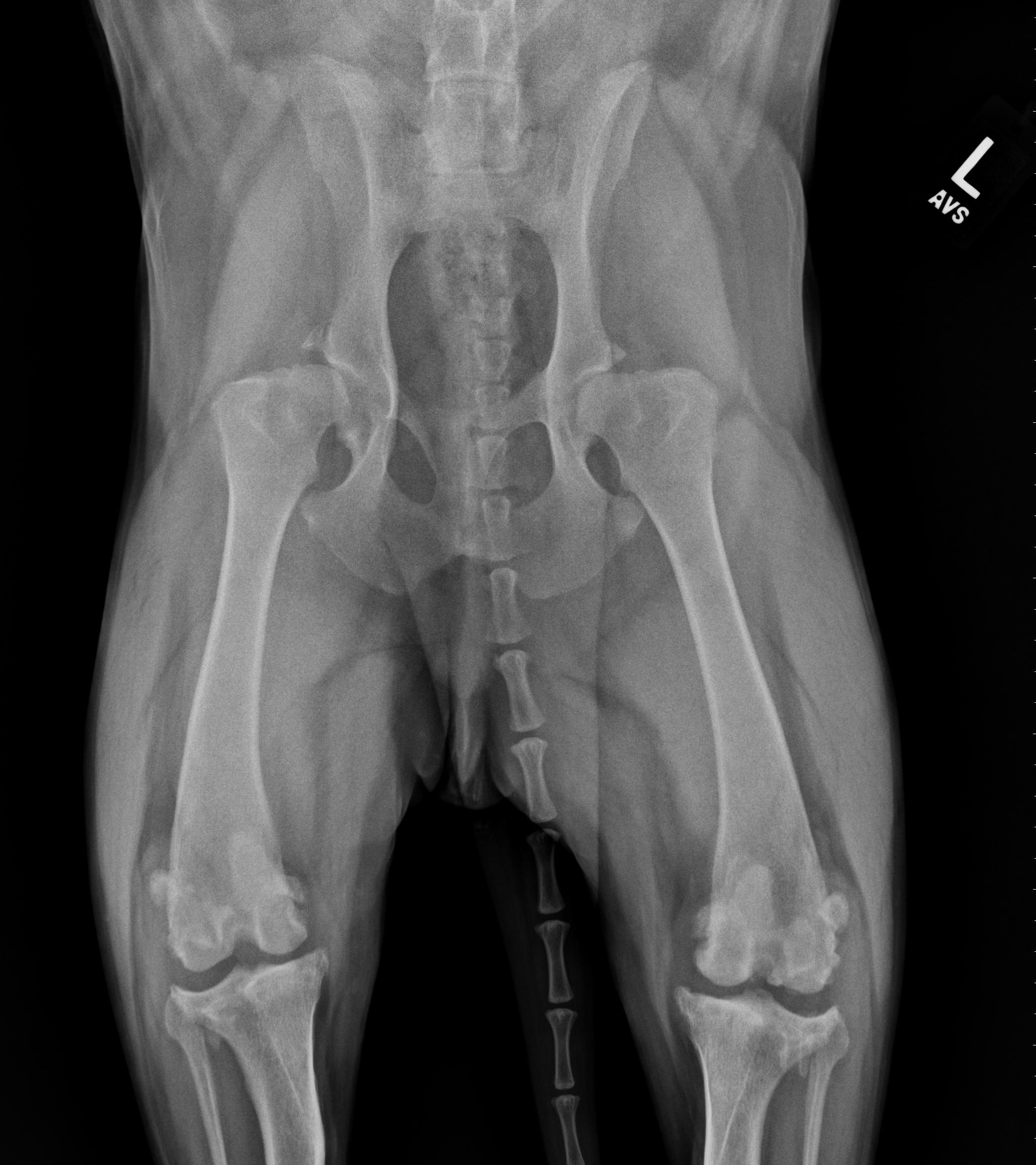
VD pelvis x-ray - note the chronic signs associated with hip dysplasia.

VD pelvis x-ray – note the chronic signs associated with hip dysplasia.

Surgery:

Surgery was scheduled soon after his initial exam, all his pre-operative work-up was otherwise normal. Most of the time we try to stage each leg. The big reason for separating out surgery on each leg is to reduce the risk of complications such as infection and implant breakdown. Some cases, like Scooter, we chose to do both especially if they are severely affected on both legs like Scooter.

At surgery, bilateral cranial cruciate ligament ruptures were noted, along with bilateral medial meniscal tears. All those findings can be very painful for the patient. Both meniscal tears were debrided (removed) and bilateral tibial plateau leveling osteotomies (TPLOs) were performed. For more detailed information about ways we correct CrCL tears, please view that page on this website.

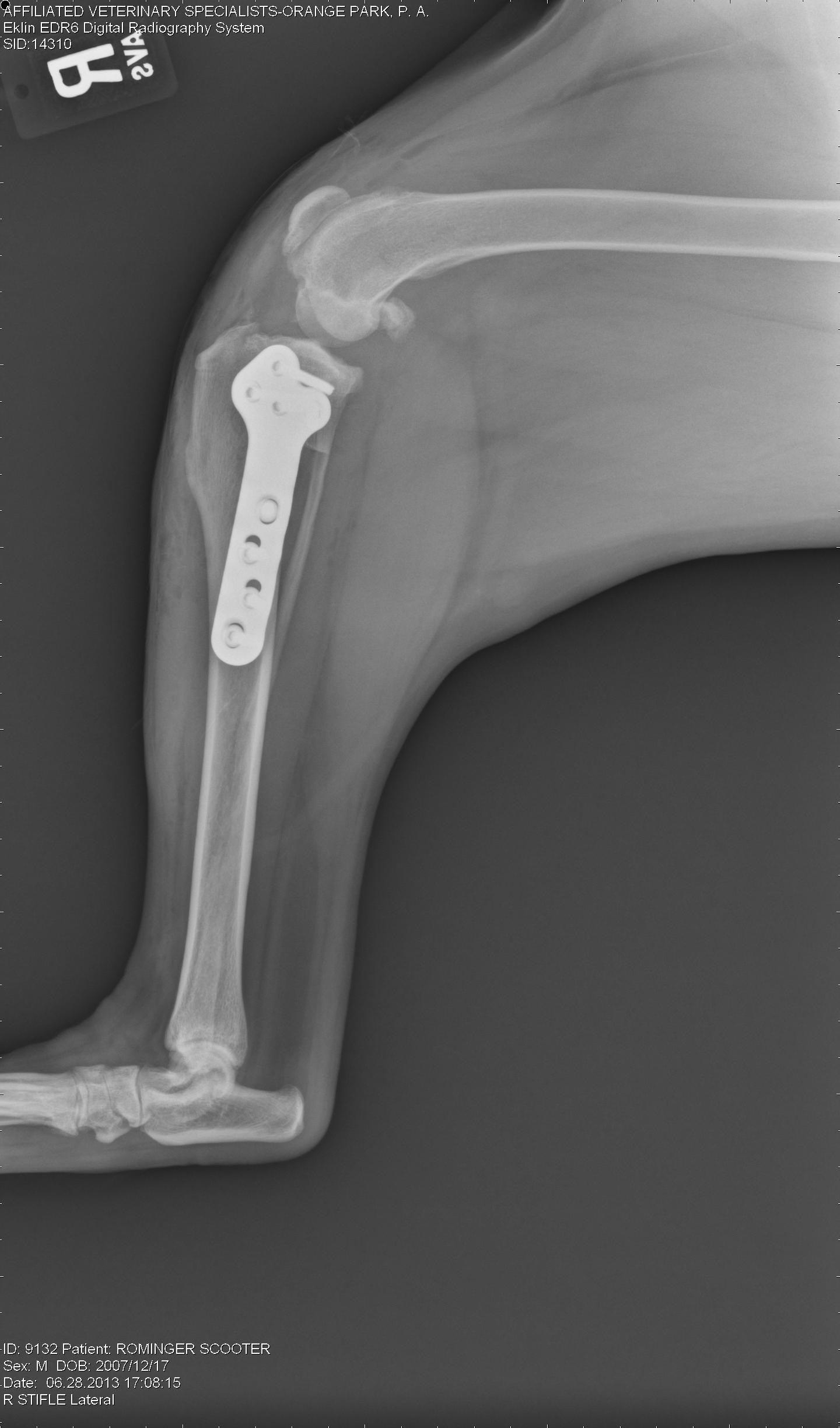
Right knee - following TPLO surgery.

Right knee – following TPLO surgery.

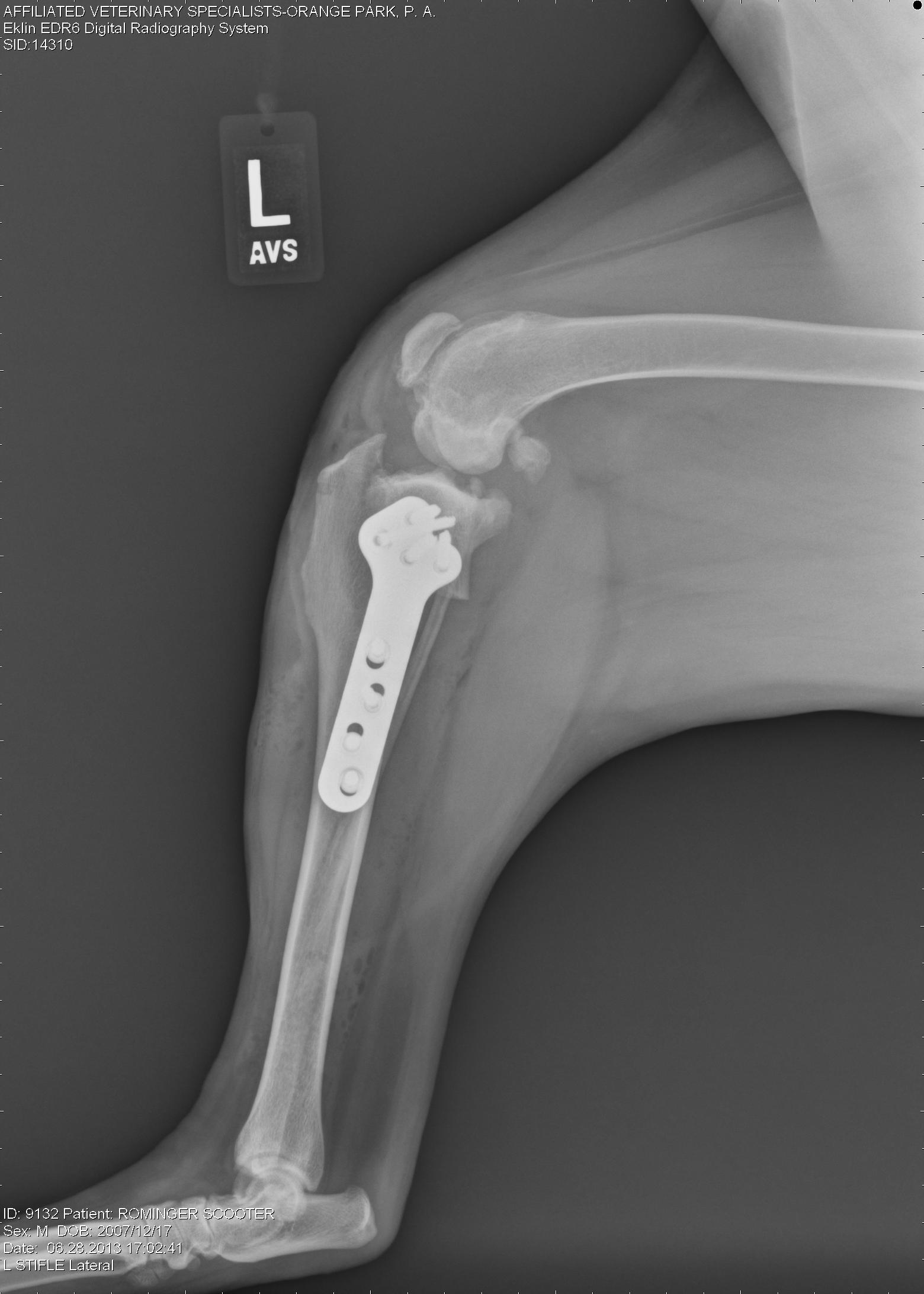
Left knee - Following TPLO surgery.

Left knee – Following TPLO surgery.

Post-operative care:

As you can image, we treat these patients very carefully. In human medicine, physical therapy and rehabilitation is started almost immediately following surgery. As soon as a patient leaves the operating room, we start icing of the surgical site. That is followed but passive range of motion exercises and short, assisted walks and frequent icing after sessions during the first two weeks. A fairly strict physical therapy program is given to owners and in some cases, organized physical therapy sessions are scheduled under the supervision of a certified canine rehabilitation therapist (CCRT). I generally tell the owners that their commitment to physical therapy is as important as the surgery performed. In Scooter’s case, his owners were very dedicated to the whole process and 16 weeks later he is back to doing his normal activity, which includes running, swimming, and of course lounging around from time to time.

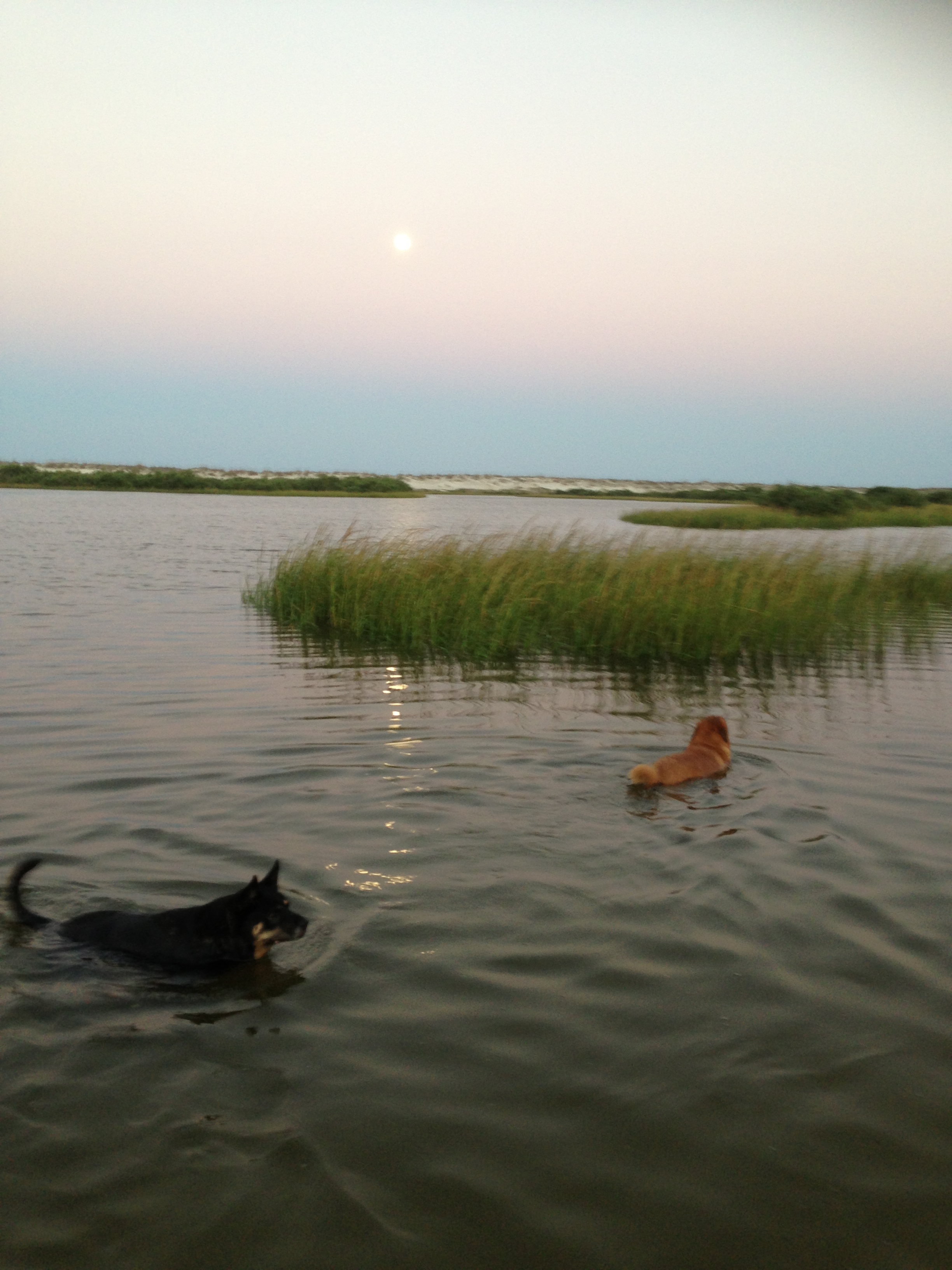
Swimming at dusk.

Swimming at dusk.

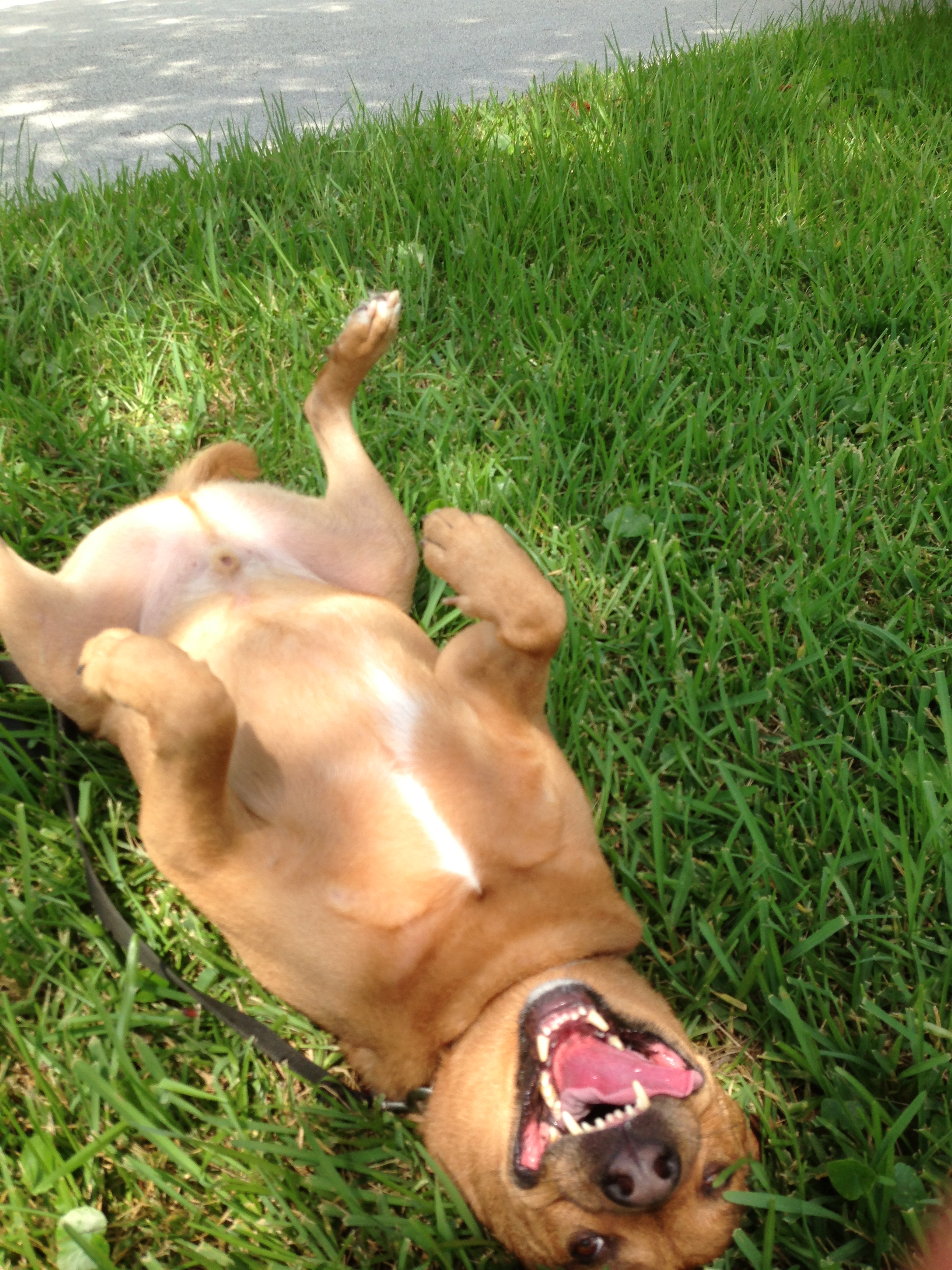
Happy dog basking in the sun!!

Happy dog basking in the sun!!

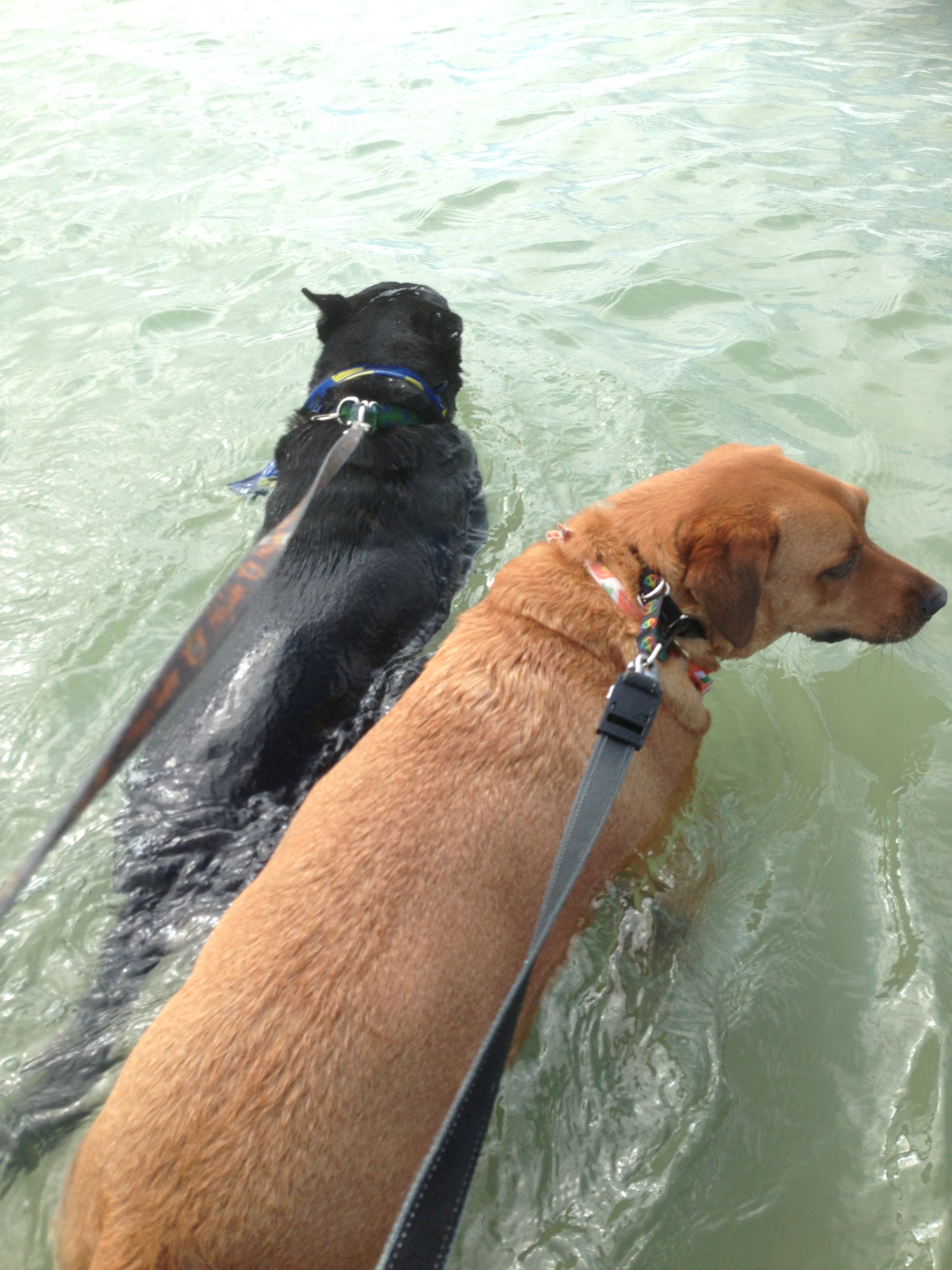
Scooter and his buddy enjoying a swim!!

Scooter and his buddy enjoying a swim!!

Happy Holidays

I want to take a moment to thank everyone for their continued interest and support of this blog. Your continued support has meant a lot to me and allowed me to continue to post various topics. I want to wish everyone Happy Holidays during this joyous time of the year! I wish you all the best in the New Year too! Keep your pets safe throughout this time, but definitely spoil them (we want them to ring in the New Years without any ailments)! Please continue to follow this blog!

Seasons Greetings!!

Kevin

Treatment for an Intestinal Obstruction

Sorry about the nearly one month lapse in writing. I think it would be good to finish the topic on intestinal obstructions. The biggest question to be asked is, once the diagnosis is made – how do we correct the issue. The answer is one of three: 1. endoscopic removal of gastric foreign material, 2. surgical removal by an abdominal exploratory (or laparoscopy – only if a focal obstruction), and 3. hospitalization and fluids, if and only if , the foreign material is diagnosed as being in the large intestine/colon.

Generally, surgical explore of the abdomen and removal via a gastrotomy, enterotomy, or intestinal resection and anastomosis is recommended. Rather than go into the technical aspects of the surgeries, it would be better to put the emphasis of the importance of early detection and treatment of an intestinal obstruction, especially a complete obstruction. The biggest worry is both where in the gastrointestinal tract and to what extent did the material cause damage to the intestine. This can range from irritation and inflammation to perforation and necrosis (death) of the affected intestine. Early intervention is key in trying to reduce the risk of extensive damage. The more aggressive the procedure required increases post-operative risk to the patient.

Most patients will do well with surgery and recover uneventfully. Standard enterotomies and resection/anastomosis have a 10-15% complication rate when performed according to the literature. The most concerning complication is termed dehiscence (leaking of the intestinal suture line) and require another surgery to repair the area. Unfortunately, with more surgery required, the complication rate increases.

The best word of advice would be to attempt to identify possible foreign bodies and remove them them your pets reach. Some examples would be torn pieces of toys, squeakers from toys that have been removed, string/fishing line from cats, etc. However, if you do find your pets have the common signs – seek veterinary help right away.

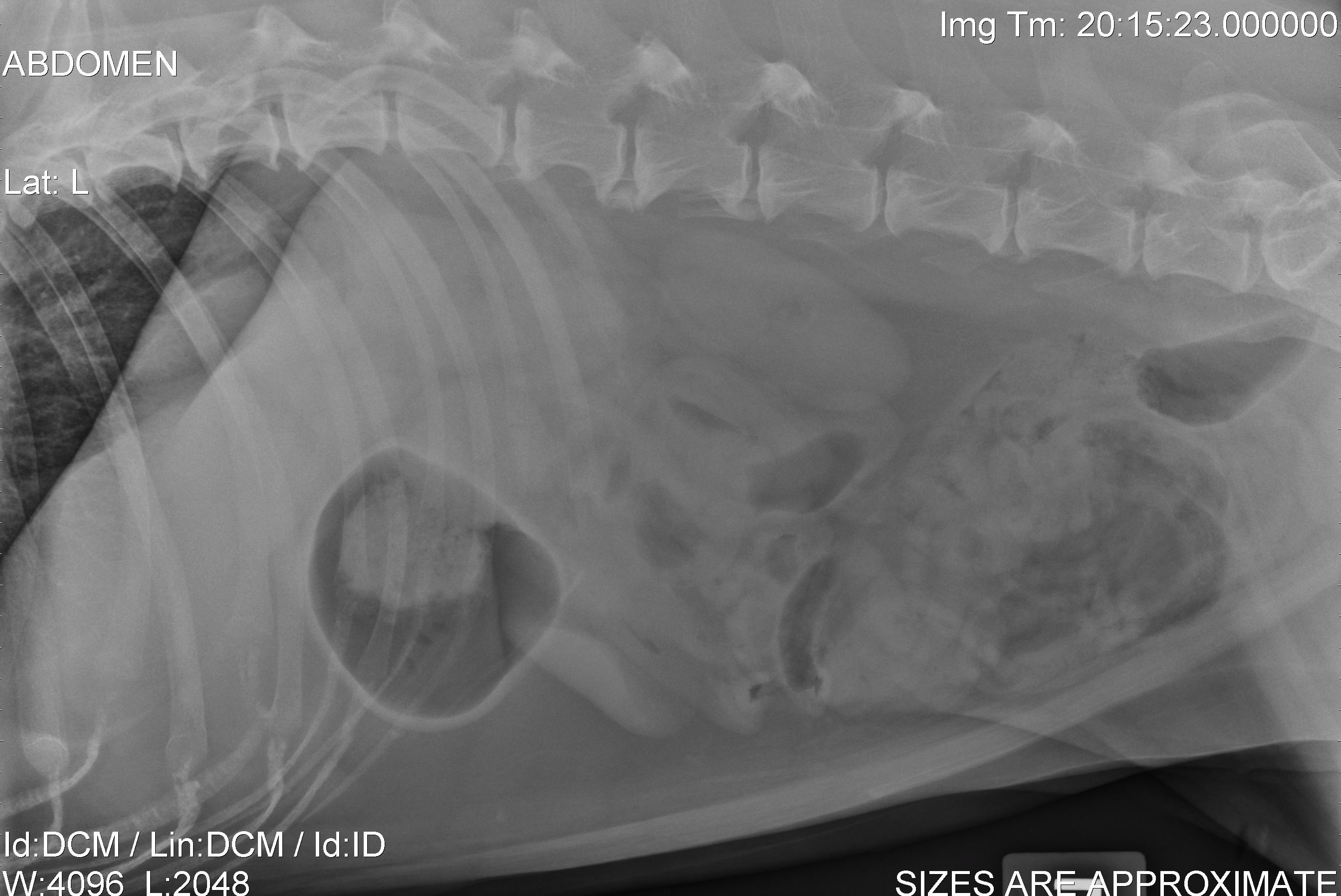
An x-ray of a foreign body both in the stomach and within the intestines.

Common Signs with Intestinal Obstructions

Welcome back. This shouldn’t take too long, but let’s review some of the more common signs seen with intestinal obstructions. The most common sign would be vomiting and generally not a one time occurrence. This will usually be profuse vomiting (but can vary with every patient). Other signs to look for is anorexia (not wanting to eat), lethargy, and abdominal pain. As with any type of foreign body the gastrointestinal tract can become perforated and significantly worse signs can become evident. Whenever an intestinal foreign body is suspected immediate veterinary care (whether your primary veterinarian or an emergency clinic) is highly recommended. Generally these signs will occur very acutely (all of a sudden) once the object begins to obstruct the intestine. We don’t always know what our dogs get into, especially if they are left unattended or go outside in the back and unsupervised. It seems like many owner don’t know what there pet got into and swallowed.

During the initial evaluation, your veterinarian may recommend some diagnostic tests to help support the diagnosis of an intestinal foreign body and justify surgery. Most of the time the physical exam will show, dehydration (high heart rate, dry mucus membranes, etc), evidence of vomiting, pain on abdominal palpation, fever (if perforated intestines) and other various signs. Some dogs when presented early show few signs and are very stable, other dogs show very severe signs and may be very unstable and require aggressive supportive care including aggressive fluid management and other treatments.

The standard diagnostics after initial triage (physical exam, blood pressure, etc) typically include abdominal radiographs (x-rays), complete blood work, possible chest radiographs (if aspiration suspect or in the geriatric dog) and possible abdominal ultrasound if the radiographs are non-diagnostic. Some may also recommend contrast radiographs with barium contrast in an attempt to highlight the foreign body.

Once a presumptive diagnosis is made and the patient is deemed stable surgery generally is the next step. If the foreign body is only in the stomach, endoscopy may be performed succesfully to remove the object.

Minimally Invasive Surgery – Thoracoscopy

Thoracoscopy is the use of a rigid scope to evaluate the thoracic cavity. Typically this is performed in either dorsal recumbency (on their back) or lateral recumbency (on side) and involves an average of 3 portals. These patients typically experience a marked decrease in pain post-operatively when compared to a lateral thoracotomy or median sternotomy (open chest procedures).

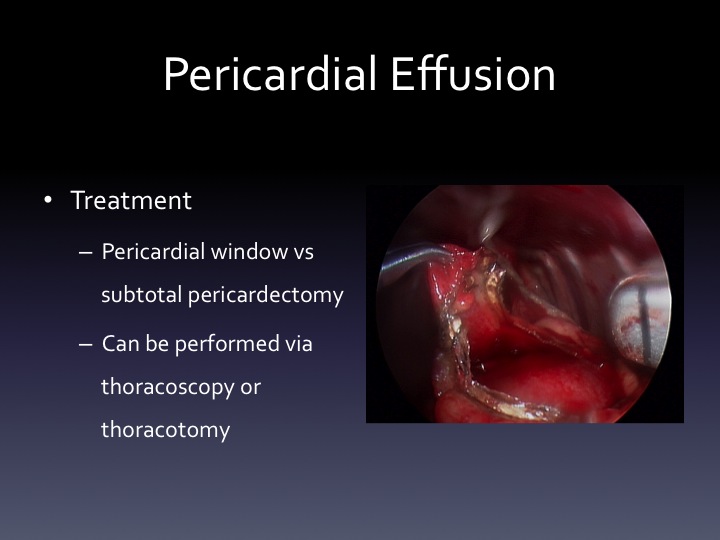
Indications for thoracoscopy are as follows (not limited to): exploration of the thoracic cavity, pleural effusion of unknown origin, idiopathic pericardial effusion, lung resection, vascular ring anomaly, biopsies of the chest cavity, lymph node biopsy, pyothorax evaluation, etc. When appropriate, the major advantage is patient comfort, decreased morbidity, and in many cases better visualization. One of the most common reasons for thoracoscopy is pericardial effusion. This can be idiopathic, neoplastic or inflammatory. Therapy for pericardial effusions could include a pericardial window which can be done via thoracoscopy. Common risks with this procedure are as follows: herniation of the heart, fibrosis of the window, and continued hemorrhage.

Results of thoracoscopic pericardial windows are usually very successful when performed in the appropriate patient. It can provide long-term resolution in patients with idiopathic effusion and inflammatory disease. Quality of life can be improved in cases with cancer.

Overall, thoracoscopic procedures are increasing in popularity. The thought of being able to address surgical problems with minimal incision versus using large invasive incisions is very attractive. Please feel free to discuss these options with your veterinarian or veterinary surgeon.

Pericardial window being performed with Ligasure.